Ghana Food Labeling Requirements for Agro Products
What must appear on every food label in Ghana under FDA regulations: mandatory information, language requirements, nutritional labelling, allergen declarations, and common mistakes.
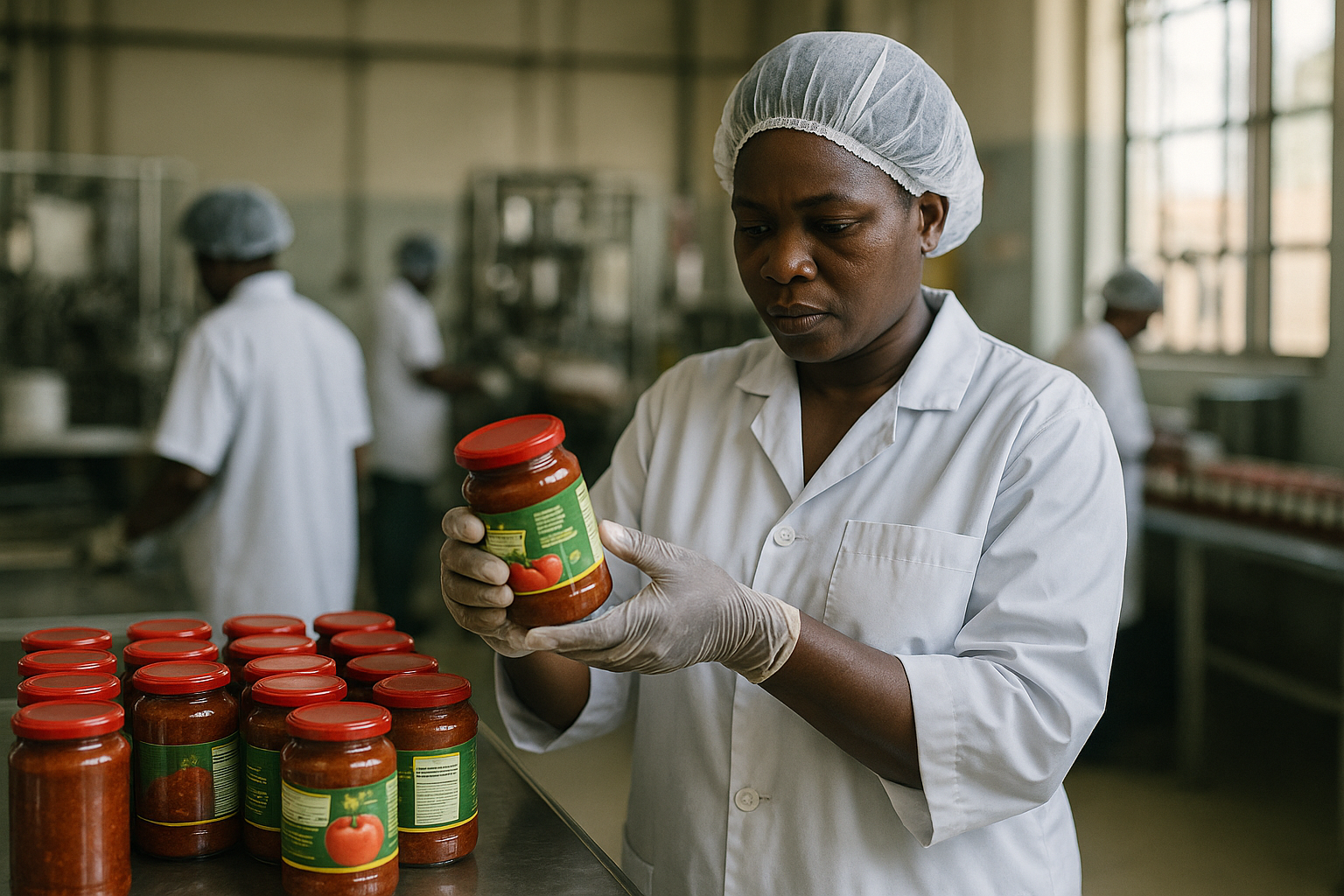
Food labelling in Ghana is regulated by the Food and Drugs Authority under the provisions of the Food and Drugs Authority Act 2012 (Act 851) and the associated food labelling regulations. The FDA takes labelling seriously, and non-compliant labels are among the most common reasons product registration applications are delayed or rejected. Getting your label right before you submit is not just a regulatory courtesy; it is the most efficient thing you can do for your product approval timeline.
The requirements apply to all pre-packaged food products sold in Ghana, whether manufactured domestically or imported. The standards align broadly with Codex Alimentarius international food labelling principles, with some Ghana-specific additions.
Required Information on Every Food Label
- Product name: a clear, accurate, and non-misleading name describing the nature of the food. If the product uses a brand name or invented name, the true nature of the food must still be stated clearly.
- Net contents: the quantity of food in the package, stated in metric units. Weight for solid foods, volume for liquids.
- List of ingredients: listed in descending order of weight as used in manufacturing. Compound ingredients made of two or more sub-ingredients must have their sub-ingredients listed in brackets. Additives must be identified by their functional class name and specific additive name or accepted code number.
- Name and address of manufacturer or distributor: the full name and physical address of the entity responsible for the product. For imported products, the country of origin must also be stated.
- Lot identification or batch code: a code that enables the specific production batch to be identified and recalled if necessary.
- Date marking: either a best before date (for products that retain their quality until that date and may safely be consumed after, with some deterioration in quality) or a use by date (for products that must not be consumed after that date for safety reasons). The format and content of date marking is specifically prescribed.
- Storage instructions: clear guidance on how the product should be stored, particularly for products requiring refrigeration, freezing, or protection from direct sunlight.
- Country of origin: mandatory for all imported products.
Language Requirements
All mandatory label information must appear in English. Additional languages are permitted but must be clearly distinguished from the English text and must be accurate translations of the mandatory information. Labels that carry translations containing material differences from the English text create serious regulatory and liability problems and should always be reviewed by a qualified translator familiar with food regulatory terminology.
Nutritional Labelling
Nutritional labelling is mandatory in Ghana for all pre-packaged foods. The label must state the energy content (in kilocalories and kilojoules), the protein content, the total fat content (with saturated fat stated separately), the total carbohydrate content (with sugars stated separately), and the sodium content. These values are expressed per 100 grams or 100 millilitres of the product as sold. If the label makes a nutritional claim, such as 'high protein' or 'low fat', the relevant nutrient must be declared on the nutrition information panel even if the format differs from standard requirements.
Allergen Declarations
Products containing any of the major food allergens must declare them clearly. The FDA follows the internationally recognised list of priority allergens including cereals containing gluten, eggs and egg products, fish and fish products, crustaceans and crustacean products, peanuts and peanut products, soybeans and soybean products, milk and milk products including lactose, and tree nuts. The allergen declaration should appear in a manner that makes it easily visible to the consumer.
What to Avoid
- Misleading claims: statements suggesting the product has nutritional properties it does not possess, or that it can prevent, treat, or cure any disease.
- Unapproved health claims: health and nutrition claims are regulated and must be approved. Do not include claims on your label that have not been reviewed as part of your FDA product registration.
- Illegible text: any mandatory information must be presented in a font size and contrast that makes it clearly readable under normal conditions of purchase and use.
- Vague date marking: 'see bottom of pack' or similar is acceptable for directing consumers to the date, but the date itself must be unambiguous. Month and year for longer shelf life products, or a full date for short shelf life products.
Review your label before you submit anything
A label that passes FDA review the first time saves you weeks or months of delay. PEA Agro Consult provides label compliance reviews for food processors before FDA submission, checking every mandatory element against current regulations and identifying issues before they become rejection reasons. Contact us to arrange a label review.
Ready to put this into practice?
PEA Agro Consult's team of experts is ready to guide your agribusiness — from certification and greenhouse setup to market entry and commodity aggregation. Let's build something remarkable together.